

UJIMA ON A MISSION
Scholarship Opportunities
This scholarship is designed to improve maternal health outcomes by providing financial assistance to mothers who need it most.
Ujima Maternity Network is thrilled to see Arkansas advance in its efforts to improve maternal and infant outcomes through the Governor’s Healthy Mom, Healthy Babies Act.
This ACT recognizes the work of doulas in addition to many other improvements. Our Executive Director and other Ujima Members worked tirelessly with the Doula Alliance of Arkansas to help create and pass ACT 965 which allows for doulas to be certified through the state and receive reimbursement through Medicaid and other third party payers. However, the bill has not yet been fully implemented, and doulas are currently only able to receive reimbursement from certain insurance providers.
This is why the Ujima Doula Scholarship Fund remains essential, providing a lifeline that allows doulas to continue earning a sustainable living while serving families who need them most. Until the bill is fully in action, your donations help bridge the gap, support birth workers, and ensure families receive the compassionate care they deserve.
According to the CDC’s latest data in 2023, the maternal mortality rate for Black women was 50.3 deaths per 100,000 live births and was significantly higher than rates for White (14.5), Hispanic (12.4), and Asian (10.7) women.
Arkansas is one of the top 5 of the worst states in the nation for maternal mortality rate in the U.S. at 38.3 per 100,000 live births, compared to a national average of about 23.2. Racial disparities remain pronounced—while Black women accounted for 71% of maternal deaths in Arkansas in 2018, more recent data show they currently face roughly 1.2 times the risk of maternal death compared to White women.

Why does this disparity exist?
The racial disparity in maternal mortality—especially for Black women in Arkansas and across the U.S.—exists due to a combination of systemic, structural, and medical factors. It’s not about individual behaviors or biology alone, but about the environment Black women are giving birth in.
Systemic Racism in Healthcare
→ Implicit bias and discrimination: Studies show Black women are less likely to be listened to, less likely to receive pain management, and less likely to be referred to specialists or receive timely care.
→ Even highly educated and insured Black women face worse outcomes than White women with fewer resources—this proves racism, not race, is the issue.
Chronic Stress from Racism (“Weathering”)
→ This leads to earlier onset of chronic conditions like hypertension, diabetes, and preeclampsia—major drivers of maternal death.
Lack of Access to Quality Care
→ In Arkansas, there are wide gaps in access to:
◦ Obstetric services in rural areas
◦ Culturally competent providers
◦ Consistent prenatal care
→ Black women are more likely to live in areas with hospital closures or maternity care “deserts.”
Economic Inequity
→ Black women are more likely to:
◦ Have lower-paying jobs with no paid leave
◦ Be underinsured or uninsured
◦ Struggle with transportation or childcare to get to appointments
→ These barriers delay or prevent necessary care.
Gaps in Data and Policy Response
→ Lack of investment in community-based models like Black doulas, midwives, and birth centers, which improve outcomes.
Medical Training and Historical Harm
→ Medical training has historically underrepresented or misrepresented Black patients.
→ There’s also deep mistrust in medical systems rooted in historic abuse (e.g., forced sterilizations, the Tuskegee study).
In short: It’s not that Black women are biologically at higher risk—it’s that they’re navigating a less safe, less respectful, and less resourced system.

...For these reasons alone we want to help
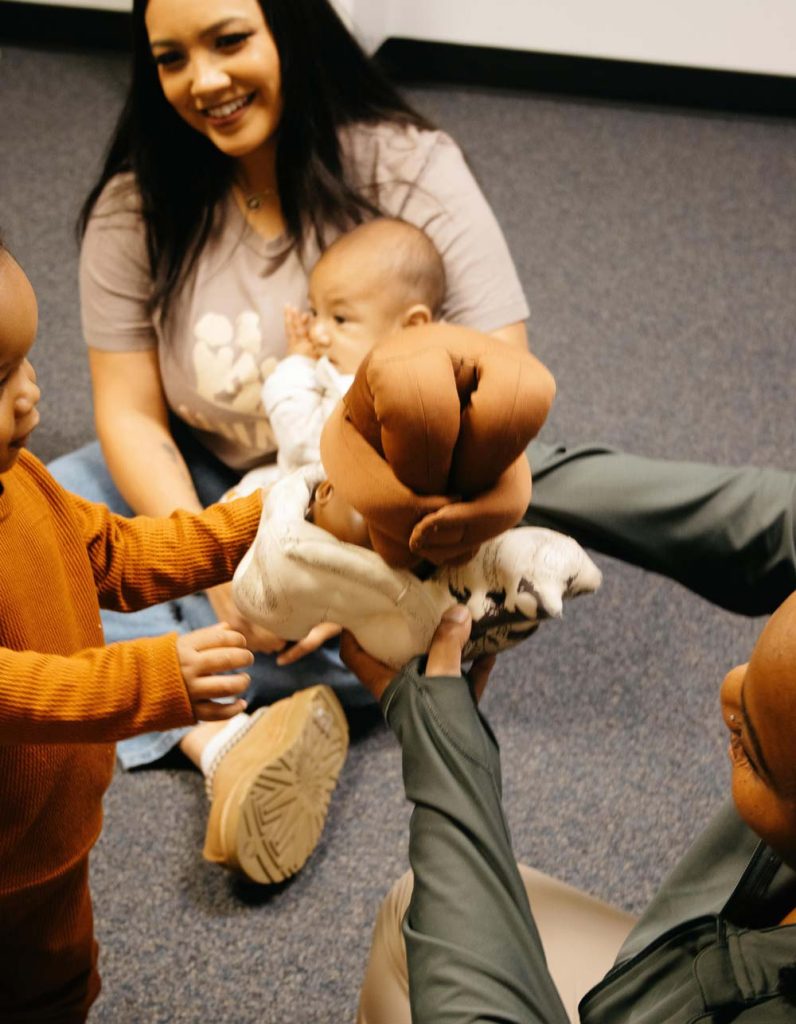
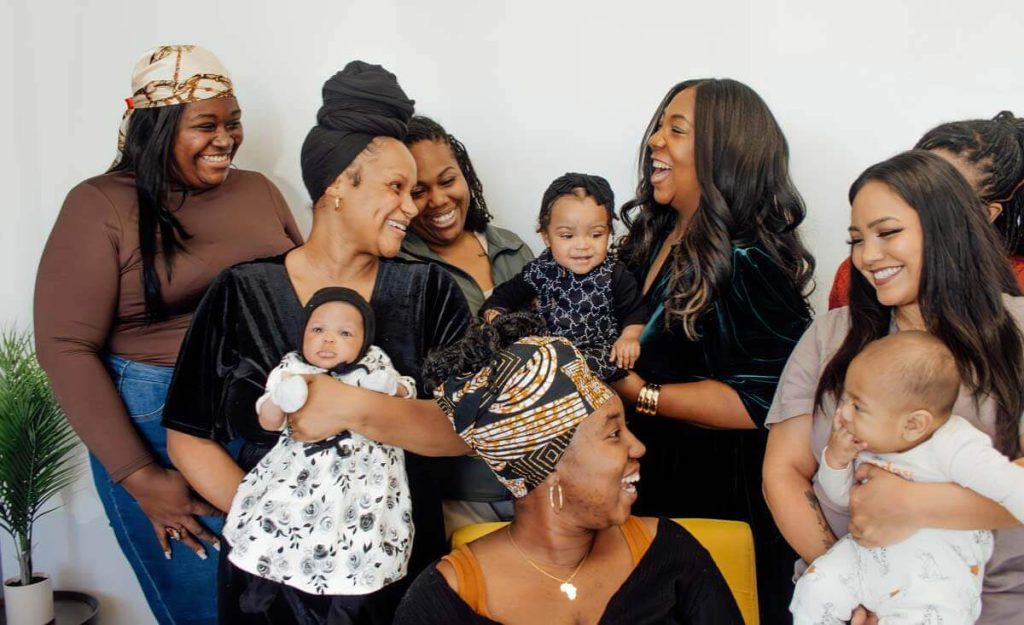
Doulas improve birth outcomes, reduce complications, and offer vital support—especially for Black and Medicaid-eligible families.
Studies have shown that continuous support from doulas will aid with...
- Fewer cesarean sections
- Less anxiety and depression for expecting mother
- Less likely to need drugs for pain relief
- Shorter labor time
- More positive birth experiences and outcomes
- Lower healthcare cost
- Improved communication with medical provider
- Greater advocacy
- You are seen, heard, valued, understood
- DOULAS ARE A CRITICAL PART OF YOUR SUPPORT TEAM especially for Black and Brown mothers.
- GREATER ACCOUNTABILY from the provider during your maternal healthcare journey
Until the law takes full effect, Ujima offers doula scholarships funded by the Woodson Center and Ceiba Fund. If cost is a barrier, apply now—we have a trusted list of doulas ready to serve.
Our Executive Director and Doula Trainer are proud members of the Doula Alliance of Arkansas, which helped champion this historic legislation.
No one should birth alone—and we’re here to help.
Why This Scholarship Matters
The Ujima Maternity Network Scholarship is more than financial assistance—it’s an opportunity to reclaim birth autonomy, receive culturally competent care, and build a support network throughout your pregnancy and postpartum journey. With the help of doulas, midwives, and healthcare advocates, we aim to reduce maternal morbidity and mortality in Arkansas by uplifting and empowering BIPOC mothers.
Ujima Maternity Network is thrilled to see Arkansas advance in its efforts to improve maternal and infant outcomes through the Governor’s Healthy Mom, Healthy Babies Act. This ACT recognizes the work of doulas in addition to many other improvements. Our Executive Director and other Ujima Members worked tirelessly with the Doula Alliance of Arkansas to help create and pass ACT 965 which allows for doulas to be certified through the state and receive reimbursement through Medicaid and other third party payers. However, the bill has not yet been fully implemented, and doulas are currently only able to receive reimbursement from certain insurance providers. This is why the Ujima Doula Scholarship Fund remains essential, providing a lifeline that allows doulas to continue earning a sustainable living while serving families who need them most. Until the bill is fully in action, your donations help bridge the gap, support birth workers, and ensure families receive the compassionate care they deserve.
Scholarship Details
What is Expected of Scholarship Recipients?
The scholarships have recipient obligations/commitments. Can you fulfill these obligations/commitments if you are awarded a scholarship? Awardees must commit to the following:
1 / ATTEND SCHOLARSHIP ORIENTATION
Quick overview of Ujima mission/history, learn about the awarded scholarship, photo release, conduct, importance of choosing the doula for you (or something like that – along with “you get to change once,”), important Ujima dates, etc.
2 / CONNECT WITH SCHOLARSHIP LIASON, ADVISOR, COORDINATOR
Once a month/Clinic days/whatever is decided. What will we “check-in” about? Maybe 3-2-1: after clinic, find out 3 things they learned in clinic, 2 things they found interesting and want to explore, and 1 question they still have or are curious about.
3 / PARTICIPATION
Serve as event volunteers (name events), invite friends personally to events, use provided social media hashtags, join a committee, tag Ujima in posts related to (whatever we decide), share Ujima posts, etc.
Engagement & Advocacy/ Support
Awardee Engagement Requirement:
To remain eligible for the scholarship, awardees must actively engage with the Maternal Care Community Outreach (MCCO) programming.
Engagement includes the following:
→ Attend at least four (4) MCCO events.
Qualifying events may include:
→ Maternal Care Community Outreach Clinics (registration required)
→ Sista Circles (through MCCO or the Mom Advocate Program)
→ Fatherhood in Focus sessions (male partner)
These events can be attended during pregnancy or postpartum, but must be completed within four (4) months after birth to meet the scholarship’s engagement requirement.
Advocacy & Support
Participate in Sista Circle through the Mom Advocates Program for peer support and maternal empowerment.
Growth & Education
Allow a certified doula to bring a student doula to prenatal visits and may attend your birth experiences to support doula training and mentorship.
Health Care Commitment
All scholarship recipients are required to be under the care of a qualified maternal health provider.
This means:
→ The participant must be receiving ongoing prenatal and/or postpartum care from a licensed obstetrician and / or midwife who is serving as their primary maternal health care provider.
This ensures that recipients are connected to consistent, professional care throughout their pregnancy and into the postpartum period.
Monthly Check-Ins
Engage in progress calls with the UMN team to track your experience and ensure continued support.
Story Sharing
Share a testimonial about how this scholarship impacted your journey.
PERSON ATTENDANCE
At the Award and Information ceremony.
Reflective Conversation
At the end of the scholarship term, participate in a closing discussion about your experience.
Scholarships Available
Award Amount: Each recipient may receive up to $1,000 to cover expenses related to approved maternal health services.
Eligible Expenses: Funds can be used for:
Birth Doula Support
Postpartum Doula Support
Childbirth Education Classes
Lactation Support
Who Can Apply?
This Scholarship is open to those who meet the following qualifications:
- Women who are Black/African American, Latina/Hispanic, Marshallese, Indigenous/Native American or Asian aka BIPOC Black Indigenous Person of Color
- Reside in the state of Arkansas
Meet one or more of the following criteria:
- BIPOC women
- Teen mothers
- Single mothers
- Individuals with learning disabilities
- Those facing language barriers
- Financial hardship or poverty
When Should You Apply?
Apply between 16 weeks and 30 weeks of pregnancy.
Exceptions will be made on a case-by-case basis for applicants outside of this range.
Key 2026 Scholarship Dates
Application Review
March 1 & July 15
Our team carefully evaluates applications to select recipients.
Award Ceremony & Scholarship Orientation
March 14 & July 24
The scholarship will reopen in July and follow the same annual schedule.
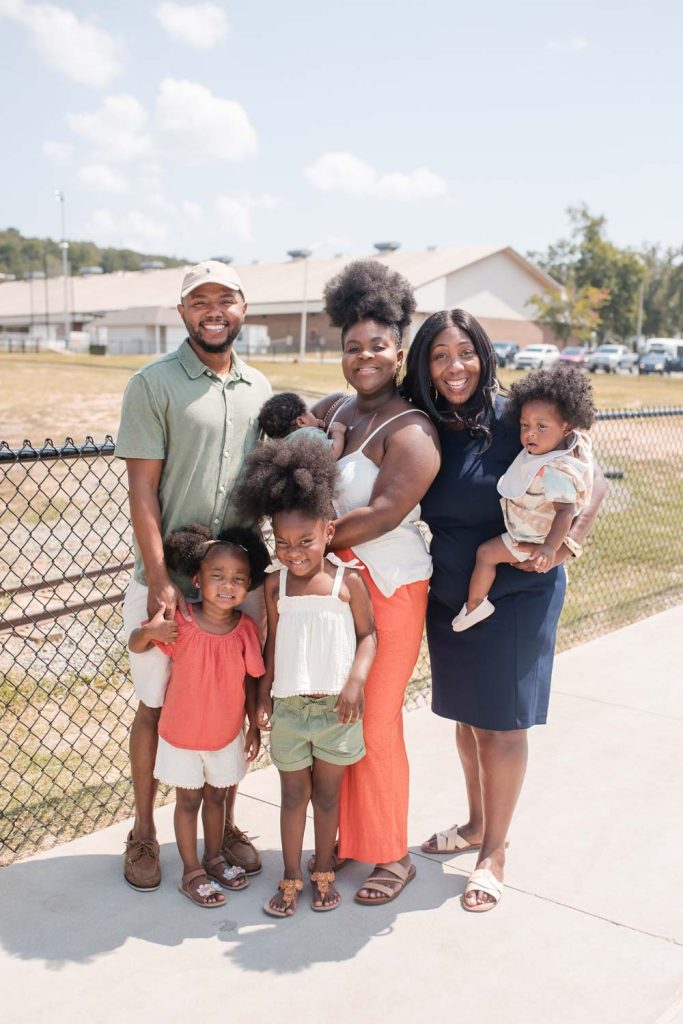
Scholarship Recipients
2025


Scholarship Recipients
2023
Doula Support Award Recipients...
Nadir Abdullah, Kirsty Akins, Shaleah Dumas, ReKla Foster, Debbie Jones, Danielle Glover, Alexsis Scott, Taneisha Mazique, Vincentia Simmons, Jasmine Smith, Lemesha Mitchell, Mia Woods, Kayla Moore, & Nicolette Stokes
This grant funding was made possible by Every Mother Counts, The Arkansas Black Hall of Fame & Mama Cat Founder of The Arkansas Birthing Project
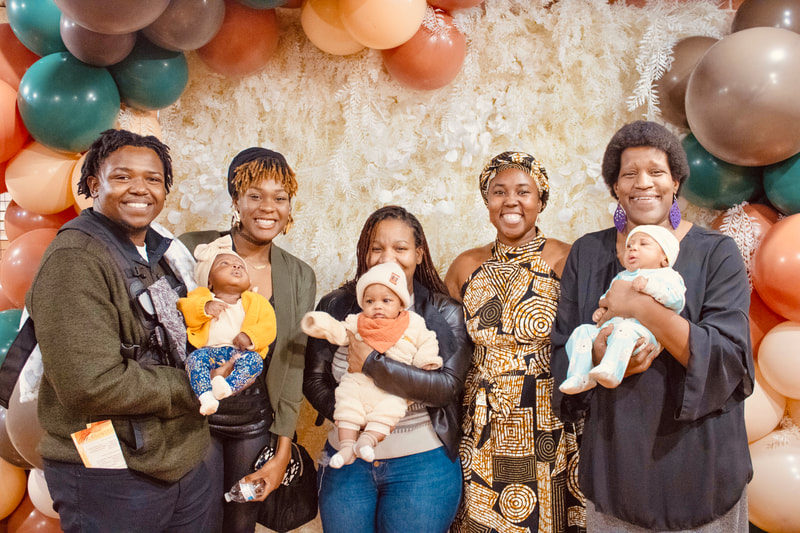

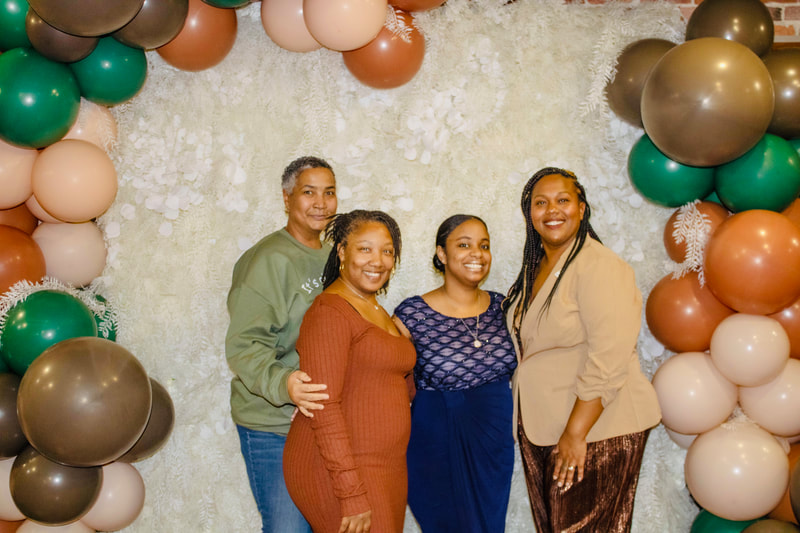
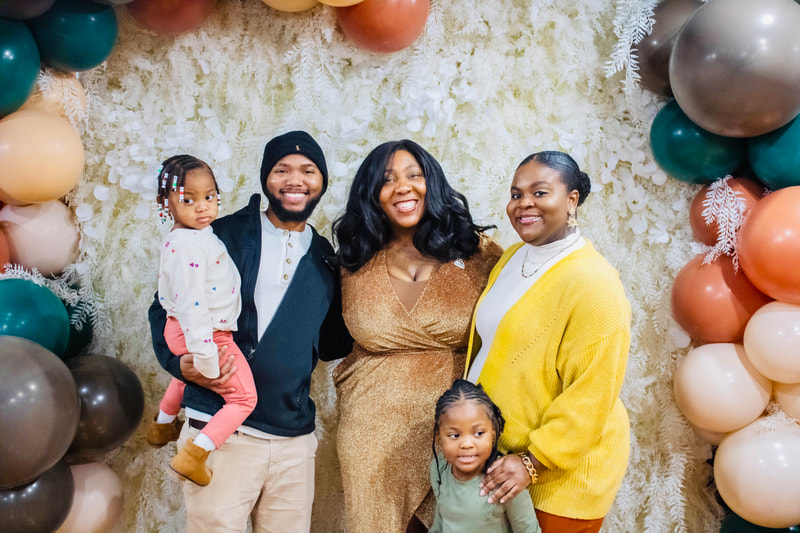
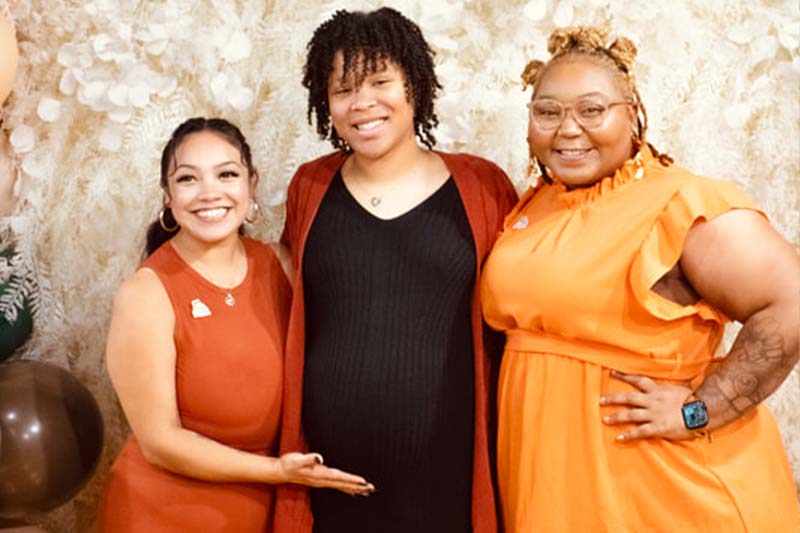

Scholarship Recipients
2021
Certified Lactation Counselor Award Recipients...
Regina Chaten, Semone Holman, Jasmine Jones, Candace Lewis, Tiara Piggee, Kenya Vernon, Jamie Washington, Liyah Wasson, Tina Wesley
Doula Support Award Recipients...
Chrishauna Fields, Jennisha Turner, Breanna Lanigan, Rachel White, Wensie Woodard, Breanna White-Jones, Kolbi Barton
Ujima Maternity would like to thank it’s grantors, Building Better Communities Fund (BBCF); Arkansas Community Foundation (ACF); and Arkansas Black Philanthropy Collaborative (ABPC), for the opportunity to provide scholarships in education, support and training to assist the Black community in maternal matters.
The CLC award recipients will be attending the Ujima Maternity Network, Inc’s community outreach to assist mothers on their nursing journey.